Introduction
Unlocking the full potential of your Sonos speakers involves mastering their placement, which can significantly impact your listening experience. Proper speaker positioning optimizes sound waves, enhancing audio quality in any setting. Whether you’re crafting a sophisticated home theater or setting up a single room, precise positioning of Sonos products is crucial for achieving superior audio. In this guide, we’ll explore the strategies and tips necessary to make your Sonos speakers sound their best.
Understanding Room Acoustics
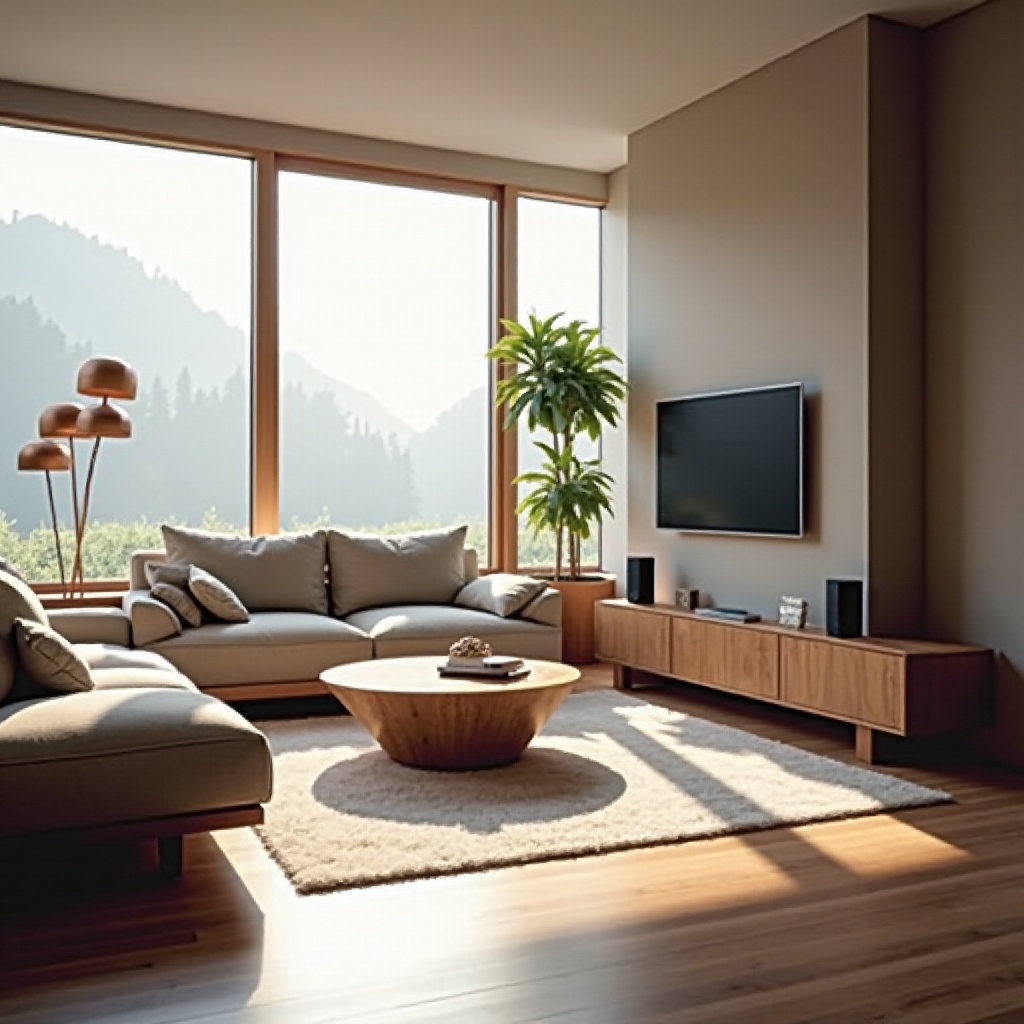
Every environment has unique acoustics that affect how sound travels, and recognizing these characteristics is the first step to perfect speaker placement. Sound waves interact with walls, furniture, and other surfaces, impacting the clarity and depth of audio. Here are some essential aspects to consider:
-
Material Matters: Hard surfaces like floors and walls can cause unwanted reflections, leading to echo and distortion. Soft furnishings such as carpets and drapes can absorb some of these reflections and clean up the sound.
-
Room Dimensions: Each room’s shape and size can create audio challenges especially if it is square or has parallel walls. In such cases, more extensive acoustic treatments may be needed.
By comprehending these elements, you can better prepare to place your Sonos speakers to enhance your listening enjoyment and create a truly immersive auditory experience.

General Principles of Sonos Speaker Placement
Once you grasp your room’s acoustic profile, apply these guiding principles to arrange your Sonos speakers effectively:
-
Ideal Distance and Angles: Position speakers at ear level from your primary listening area and ensure they are equidistant. In a stereo setup, angle each speaker to face the listener directly for a well-balanced sound.
-
The Impact of Elevation: It’s important to keep speakers elevated from the ground to avoid sound being absorbed by furniture or other obstacles. Place them at a height where the audio can travel freely without hindrance.
-
Avoiding Reflective Surfaces: Place your speakers away from mirrors and untreated walls that can interfere with sound waves. Adjusting the angle of the speakers can also help minimize unwanted reflections.
These practices provide a solid foundation for optimizing audio performance, setting the stage for specialized adjustments needed for specific Sonos models.
Placement Tips for Popular Sonos Models
Different Sonos models are designed with varied features, and their positioning should reflect their unique capabilities. Consider these guidelines:
-
Sonos One and One SL Placement: Ideal for smaller spaces and as a stereo pair, position these speakers at ear level, keeping them at least six feet apart for optimal sound distribution.
-
Sonos Five and Play:5 Placement: These work best in larger areas. Space them around ten feet apart and angle them toward the listening zone. When used in pairs, maintain symmetry for an evenly distributed sound field.
-
Sonos Arc and Sub Placement: In home theaters, position the Arc centrally under your television for direct sound and place the Sub close to a wall for enhanced bass performance.
Tailoring the placement of each model to its specific function guarantees that you’re exploiting the full potential of your Sonos system.

Using Sonos Trueplay Technology
Sonos’ Trueplay technology personalizes speaker settings based on your room’s acoustics. Through the Sonos app, Trueplay listens to your room, fine-tuning the sound output to suit the environment.
-
Setup: Load the Sonos app on an Apple device and enable Trueplay from the settings menu.
-
Calibration: Follow the app guidance to walk around the room, enabling the app to capture acoustic readings via your device’s microphone.
Once calibrated, Trueplay adjusts output for optimal sound quality tailored to your room’s specifics. This method demonstrates the dynamic adaptability of Sonos speakers and their capacity to deliver superior sound across various environments.
Common Placement Mistakes to Avoid
Even with careful planning, some errors can degrade audio quality. Being aware of these common placement mistakes helps ensure your system performs at its best:
-
Blocking Sound with Furniture: Avoid placing objects directly in front of speakers, as this can absorb and deflect soundwaves crucial for clear audio.
-
Wall Mounting Errors: When wall mounting, ensure the speakers aren’t positioned too high or too low. Aim to keep them at ear level for the best audio impact.
Avoiding these pitfalls enhances sound clarity and directionality, allowing your Sonos system to deliver a powerful and pleasing audio experience.
Conclusion
Correct placement of Sonos speakers is an art that harmonizes with science. Through understanding room acoustics, adhering to general placement principles, leveraging model-specific strategies, and utilizing technology like Trueplay, you can transform your space into an auditory haven. Implementing these strategies will unlock the true potential of your Sonos speakers, ensuring that high-quality sound becomes a staple of your everyday life.
Frequently Asked Questions
Can Sonos speakers work in any room size?
Yes, Sonos speakers are versatile and can adapt to various room sizes. Use Trueplay technology for the best results in different environments.
Is it necessary to use the Sonos app for setup?
The Sonos app is essential for setup, speaker adjustments, and maximizing features like Trueplay. It guides a seamless configuration for optimal performance.
How often should I recalibrate with Trueplay?
Recalibrate with Trueplay whenever you move your speakers or change your room’s layout significantly. This ensures your setup remains optimized.